Walking the Fine Line Across Yorkshire’s Paths and Waters

Today we explore conservation and public access challenges for Yorkshire’s rural paths and watercourses, tracing how cherished rights of way, rivers, and canals can welcome people while protecting habitats, livelihoods, and heritage. From peat uplands to lowland meanders, we weigh pressures, practical fixes, and hopeful partnerships that keep journeys possible without unravelling the wild character visitors come to find.

Where Footpaths Meet Fragile Landscapes
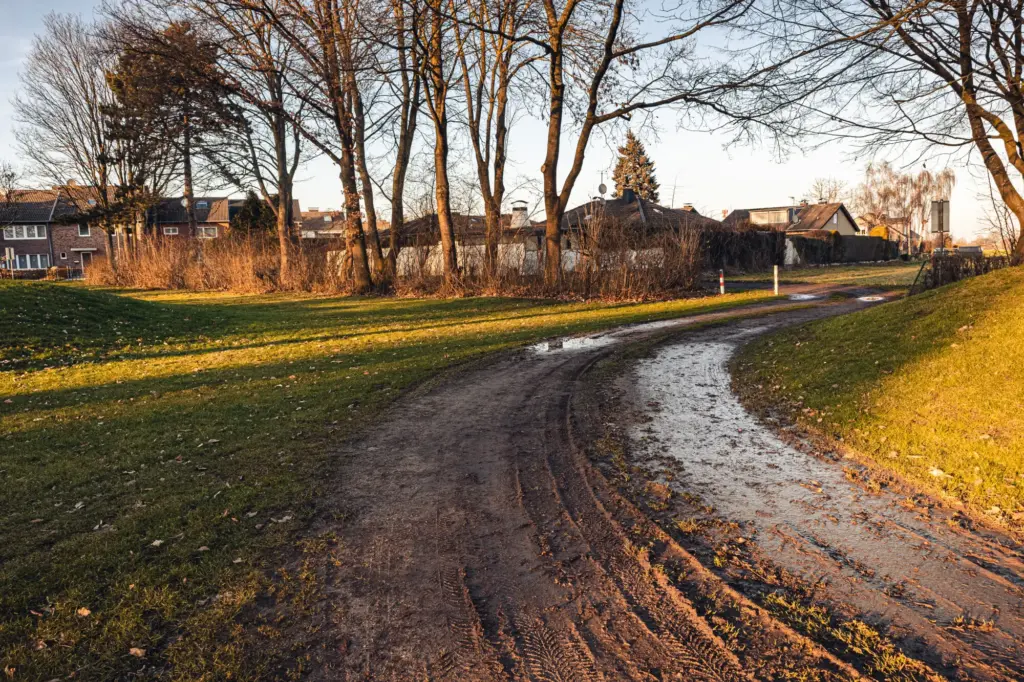
Across dales, moors, and wolds, narrow lines of trod earth carry families, farmers, riders, and runners past walls, heather, and bog. Those same lines cross breeding grounds and peat that stores carbon like a vault. Balancing freedom to roam with careful protection demands empathy, signage, maintenance, and honest conversations sustained year round.

Ilkley’s Lesson on the River Wharfe

When Ilkley gained designated bathing water status, community groups, scientists, and agencies could finally track and challenge pollution transparently. The process revealed storm overflow patterns and galvanized litter picks and citizen testing. Local pride met hard numbers, proving how official recognition can energize cleaner water and better access.

Paddles, Rods, and the Law Along the Bank

Disputes over navigation and riparian rights flare where canoeists, rowers, and anglers love the same pools. Voluntary access agreements, seasonal windows, and respectful passing reduce friction. Clear entry points, parking, and club coordination keep sensitive banks intact, fish undisturbed, and visits joyful without pretending conflicts never exist.

Keeping the Way Open: Funding, Maps, and Maintenance
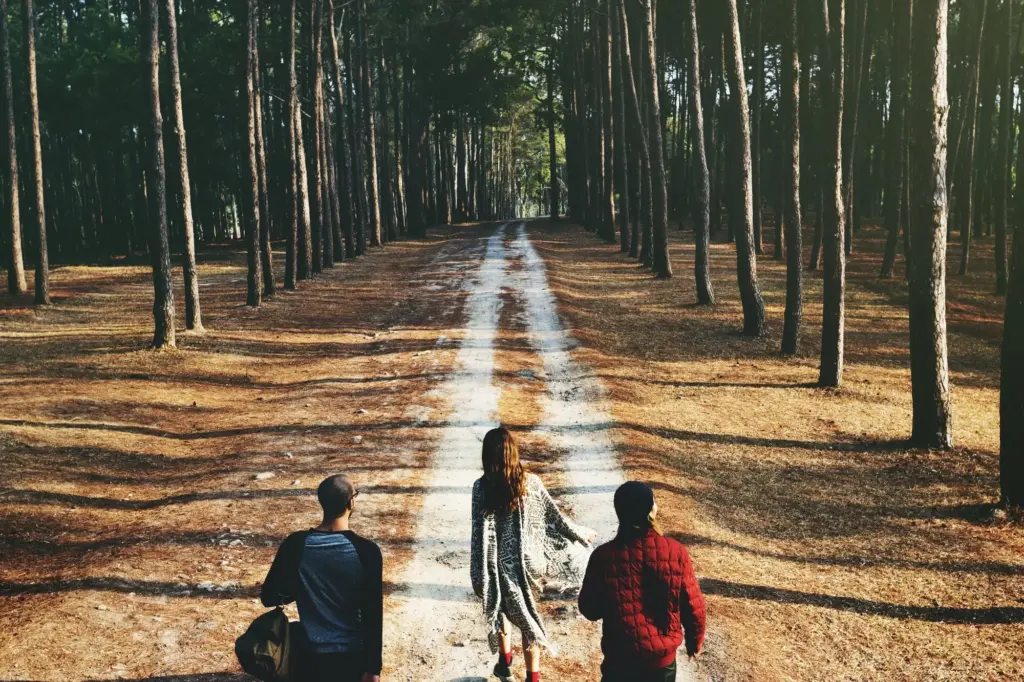
Waymarks, bridges, culverts, and gates seem timeless until a storm, a budget cut, or a fallen tree closes a cherished loop. Definitive maps, enforcement, and repair need quiet, persistent investment. Partnerships with parishes, charities, and businesses stretch scarce funds while ensuring access improvements respect landscape character and history.

The Real Price of a Single Waymark

Behind a little arrow lies surveying, permissions, materials, labour, and sometimes legal orders. Cheap signs in the wrong place sow confusion and trespass; modest, accurate posts reduce strain on farmers and wardens. Good maintenance is invisible precisely because it prevents the frustrations that would otherwise dominate a weekend.

Adopt-a-Path, Citizen Science, and Local Pride
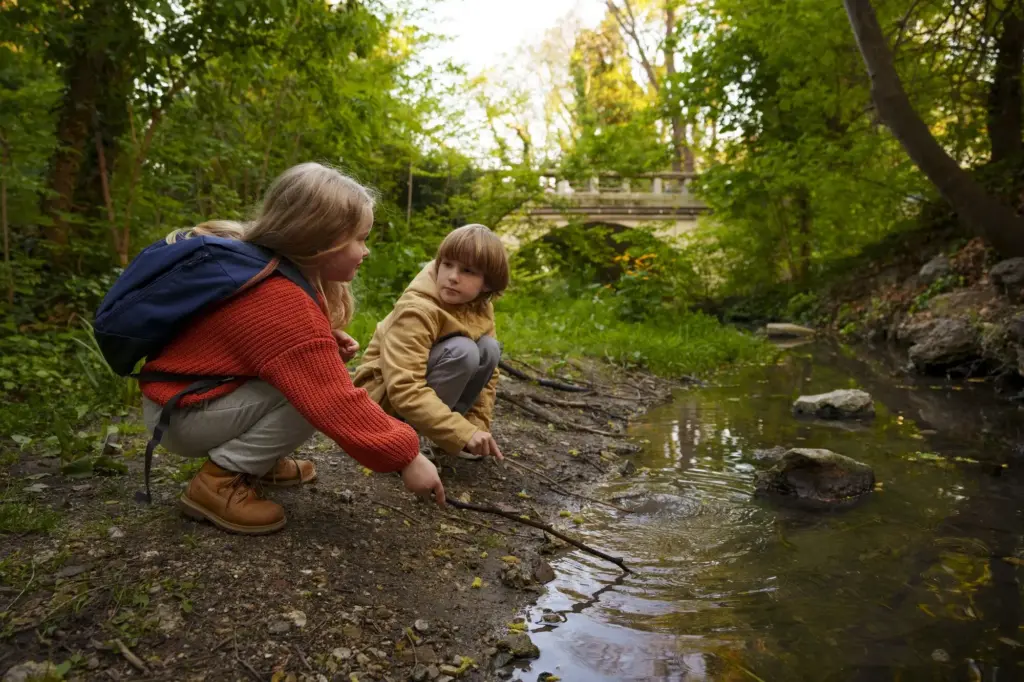
Volunteer rangers note broken stiles, flooded stretches, and missing spinneys on apps, accelerating fixes and revealing patterns officials might overlook. Ramblers, riders, and scouts already walk these lines; channelling their observations dignifies care. Recognition boards and small grants keep energy alive through winter when enthusiasm can quietly thin.

Digital Eyes: Drones, Lidar, and Open Data

High-resolution imagery maps erosion, illegal obstructions, and blocked culverts before they escalate into closures. Open data lets walkers, riders, and planners collaborate transparently on route status and sensitive zones. Technology cannot replace boots and spades, yet it can direct them wisely so effort lands exactly where needed.

Seasonal Sensitivity and Shared Responsibility
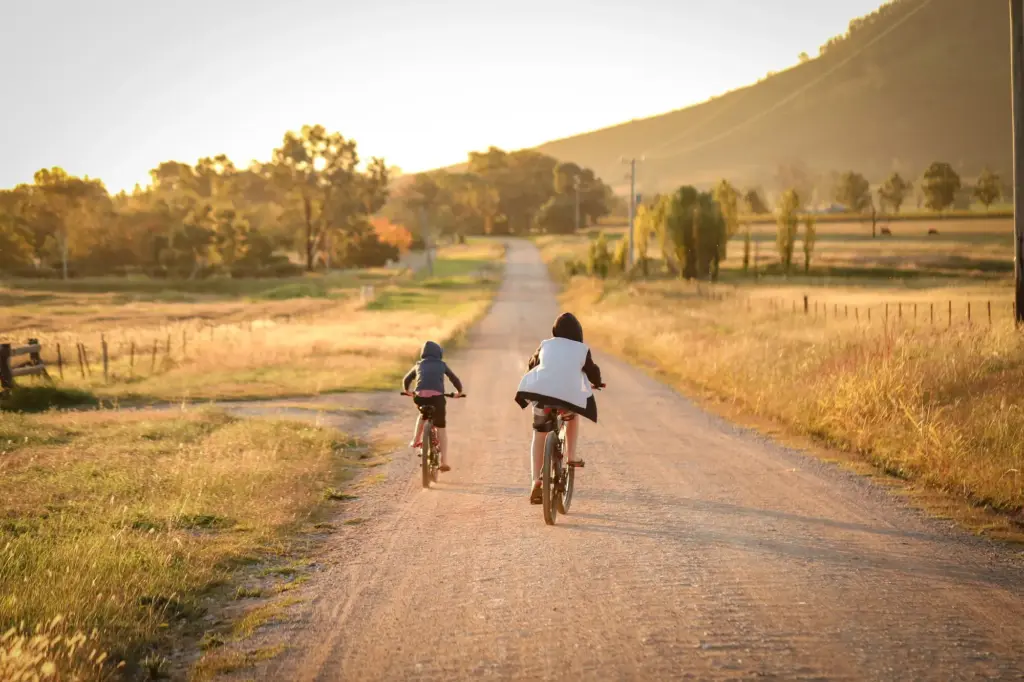
Nature’s calendar sets quiet rules: lambing, nesting, drying peat, and tinder-dry heather. Visitors who adjust routes, times, and behavior often enjoy richer encounters while easing pressure. Clear, friendly messaging and consistent byelaws prevent confusion, so guidance feels like hospitality rather than scolding, even on the busiest bank holidays.

Blue-Green Corridors for Flood Resilience
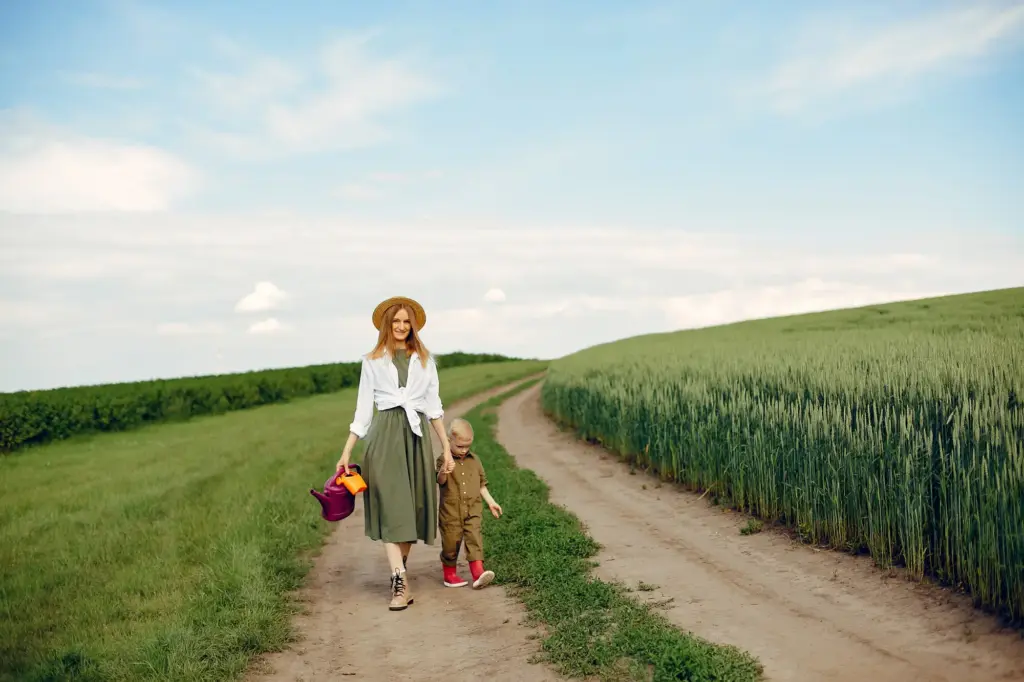
Riverside meadows, hedges, and wetlands slow water, store silt, and guide wildlife safely between uplands and towns. Paths weave through these lifelines, shaping how people understand flooding and drought. Thoughtful design invites exploration while keeping space for water, turning everyday journeys into lessons about living carefully with rain.

Leaky Dams, Beavers, and Cropton Forest Insights
Wooden leaky dams and beaver-style structures in North York Moors projects show how small barriers spread peaks and create wetlands. Where beaver trials are licensed, monitoring informs debate. Routes on raised paths and viewing platforms let visitors witness change without trampling margins where amphibians, sedges, and damselflies gather.

Making Space for Water Without Losing the Way

Set-back embankments, sacrificial meadows, and movable boardwalks absorb floods yet keep continuity for walkers and riders. Clear mapping of seasonal closures avoids surprises, while benches and interpretation panels transform delays into discovery. When infrastructure surrenders gracefully to high flows, it recovers faster and earns trust rather than resignation.

Voices from the Dales, Moors, and Wolds

Stories bind policies to places. Short encounters on gates, fords, and locks remind us why care matters. Share your favourite route, river bend, or volunteering memory, subscribe for field updates, and tell us what works where you live so Yorkshire’s welcome can stay generous, resilient, and real.

A Morning on the Pennine Bridleway

Frost crisped the flagstones near Hawes as a rider slowed to let walkers and a spaniel pass. A nod, a thank you, and conversation about a boggy patch sparked a report later that day. Small courtesies travelled farther than footprints, mending ruts before tempers formed hard edges.

Between Skipton and Gargrave at First Light

Mist lifted off the Leeds and Liverpool Canal while a heron traced the towpath’s mirror. Cyclists rang gently, a lock keeper waved, and a litter picker filled a sack without fuss. The place felt cared for because many hands moved quietly, each trusting the next to return tomorrow.

After Heavy Rain on the Derwent

The river pressed its palms against the flood plain, swallowing a favourite stile. Detour signs were clear, and a volunteer explained the new route kindly. Later, children watched silt settle beside willow faggots, learning patience. Access paused, understanding deepened, and the path felt stronger when waters receded.