Quarrymen split local grit into broad, stable flags, then carriers funded stretches across boggy trods by subscription or parish rate. Edges were sometimes pecked for grip, and drains cut to one side. After storms, neighbors reset dislodged slabs before first light restored trade.
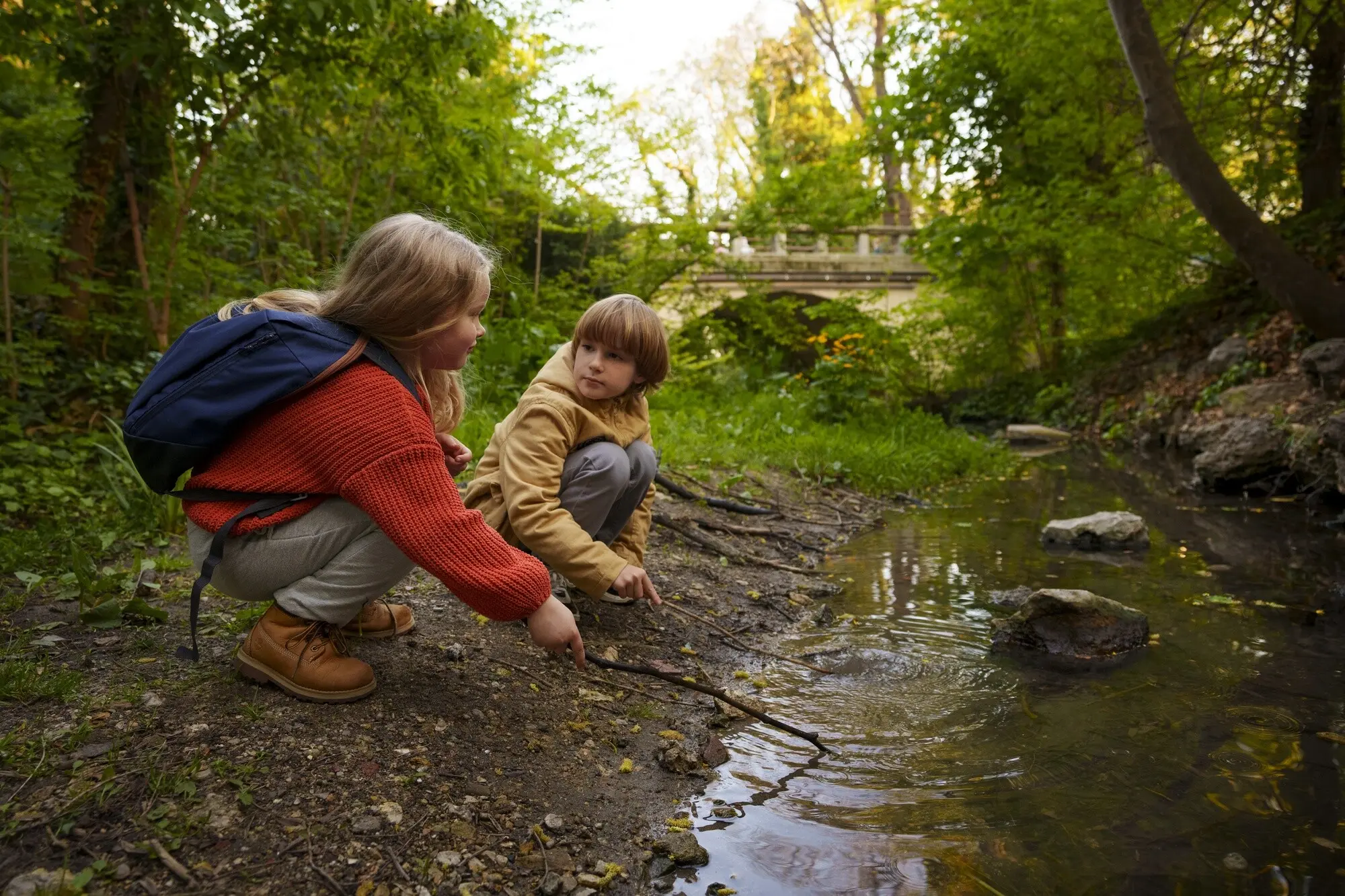
Packhorse bridges seldom welcomed carts; their parapets were low or missing to avoid catching side-bags, while ribs lifted arches above spate. Width reflected animal traffic alone, enforcing courtesy as trains waited their turn and drivers judged currents by foam and memory.
Repeated passage braided parallel tracks across commons, then concentrated into trenches where banks sheltered hedges and wildflowers. Hooves drummed history into clay; ruts became archives. Today, when boots find the cool of those sunken lanes, they inherit decisions thousands of careful feet rehearsed.
All Rights Reserved.